Franchise 13 min read
How to Open a Juice Bar: A Step-by-Step Guide
How to open a juice bar in 9 steps: choose a format, get health permits, find a location, plan your menu and costs, fund it, and avoid 10 common mistakes.
In this article
- The Short Answer
- What Is a Juice Bar?
- 1. Decide: Independent Juice Bar or Franchise
- 2. Choose Your Juice Business Idea and Format
- 3. Meet Your Local Health Department Before You Sign a Lease
- 4. Pick the Right Location
- 5. Plan Your Menu and Know Your Numbers
- 6. Plan Your Juice Bar Setup: Equipment and Build-Out
- 7. Write Your Juice Bar Business Plan
- 8. Secure Funding
- 9. Hire, Train and Open
- 10 Mistakes to Avoid When Opening a Juice Bar
- Opening a Juice Bar as a Pure Green Franchisee
- Frequently Asked Questions
The Short Answer
How do you open a juice bar? Decide whether to build your own brand or join a franchise, choose a format, meet your local health department before you sign a lease, pick a location with all-day traffic, plan a menu you can price profitably, budget for equipment and build-out, write a business plan, secure funding, and hire and train your team before opening day.
The steps are the same whether you go independent or franchise. The difference is how much of the work you do from scratch. Below is each step in order, followed by the 10 mistakes that most often trip up new owners.
The 9 Steps at a Glance
| Step | What you decide | When |
|---|---|---|
| 1. Independent or franchise | Build a brand or license a proven one | Before anything else |
| 2. Idea and format | Cold-pressed, juice and smoothie, kiosk, mobile or delivery | Before site search |
| 3. Health department | Permits, layout rules, food safety plan | Before signing a lease |
| 4. Location | Traffic, size, lease terms | Months before opening |
| 5. Menu and pricing | What you sell and what it costs to make | Before ordering equipment |
| 6. Equipment and build-out | Juicers, refrigeration, design, contractor | After the lease |
| 7. Business plan | The plan lenders and landlords will read | Before applying for funding |
| 8. Funding | Loans, savings, reserves | Before construction starts |
| 9. Hiring and opening | Team, training, launch marketing | Final weeks |
What Is a Juice Bar?
A juice bar is a quick-service shop that makes fresh juice to order or sells it bottled, usually alongside smoothies and acai or smoothie bowls. Many specialize in cold-pressed juice, which is extracted with a hydraulic press instead of a fast-spinning blade. Customers tend to visit on routines, such as before work, after a workout or at lunch, so repeat business matters more than one-time traffic.
1. Decide: Independent Juice Bar or Franchise
This choice shapes every step that follows. An independent juice bar gives you full control over the name, menu and design, and you keep all of the revenue. You also build every system yourself: the name and brand, recipes, suppliers, training, marketing and food safety procedures.
A franchise trades some of that control for a tested system. You pay an initial franchise fee and ongoing royalties, and in return you get a recognized brand, a finished menu, supplier relationships, training and help with site selection and opening.
| Independent | Franchise | |
|---|---|---|
| Brand and menu | You create them | Provided and tested |
| Upfront fees | None beyond your own costs | Initial franchise fee |
| Ongoing fees | None | Royalty and marketing fund |
| Training and systems | You build them | Provided |
| Site selection and build-out | On your own or with consultants | Franchisor support |
| Control | Full | Within brand standards |
At Pure Green, the initial franchise fee is $40,000, the royalty is 6% of gross revenue and the national marketing fee is 2%. The total initial investment ranges from $177,450–$493,900, depending on the size and location of the store. See the full startup cost breakdown or our guide to the pros and cons of a juice bar franchise.
If you are evaluating any franchise, the franchisor must give you its Franchise Disclosure Document (FDD) at least 14 calendar days before you sign a binding agreement or pay any money (16 CFR 436.2). Read it closely, especially the fees, the estimated initial investment and any financial performance information it contains.
2. Choose Your Juice Business Idea and Format
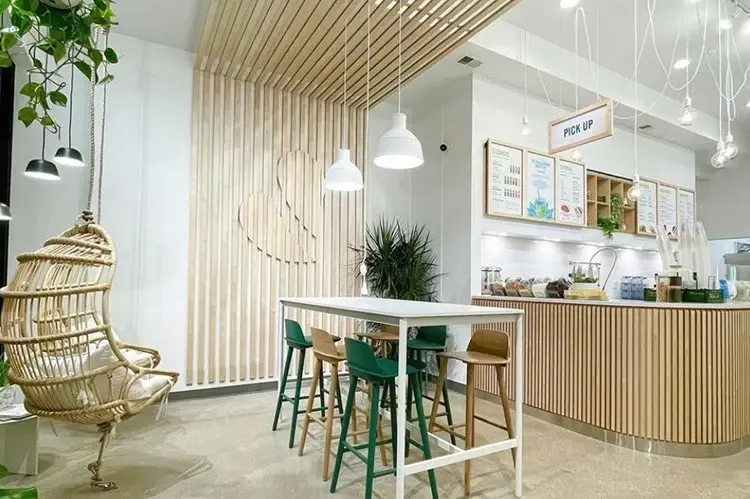
Your concept and format decide how much space you need, how many staff you schedule and which locations work. Common juice business ideas include:
- Cold-pressed juice bar: bottled and made-to-order pressed juice, often with juice cleanse programs.
- Juice and smoothie bar: juice, smoothies and acai bowls, with a broader menu that draws customers at more times of day.
- Café with seating: the most space and build-out, but room for food items and longer visits.
- Grab-and-go storefront: a smaller footprint with fast service, built around commuters and lunch traffic.
- Kiosk or in-store counter: inside a gym, grocery store or office building, with lower rent and a captive audience.
- Mobile cart or truck: events and farmers markets. Lower startup cost, but weather and permits limit your selling days.
- Delivery and online ordering: works best as an add-on to a physical store rather than on its own.
Many juice bars combine a storefront with online ordering and delivery to reach customers who will not walk in.
Planning to bottle juice for other stores to sell? Selling juice by the glass to your own customers and producing bottled juice for wholesale are regulated differently. Wholesale juice production can bring federal processing and labeling rules into play, so raise this with your health department before you plan a wholesale line.
3. Meet Your Local Health Department Before You Sign a Lease
Food safety rules for juice bars are set and enforced locally, and they vary by state, county and city. Most local codes are based on the FDA Food Code, a model code that FDA updates about every four years and that state and local regulators use to write their own rules (FDA).
Book a meeting early, bring questions and take detailed notes. Ask about:
- The food service or health permit you need, and the plan review process for your layout
- Equipment requirements: hand sinks, three-compartment sinks, approved surfaces and refrigeration
- Food handler and manager certification for you and your staff
- The daily logs inspectors will expect, such as refrigeration temperatures, sanitation and employee health
- Any rules specific to raw, unpasteurized juice in your area
Beyond the health permit, the usual requirements for a juice bar are a general business license, a sales tax permit, a certificate of occupancy for the space and any sign permits your city requires. Do this before you sign a lease, because the health department’s layout requirements can rule out a space or add significant build-out costs.
Once you are open, a simple daily checklist covering temperatures, sanitation and staff health keeps you inspection-ready and makes good habits automatic.
4. Pick the Right Location
Location drives more of a juice bar’s success than almost any other decision. Look past raw foot traffic and ask whether the traffic matches your hours and your customer.
- Traffic across the day: a business district can be busy at lunch and empty on weekends. A campus can go quiet during breaks.
- Neighbors that bring your customers: gyms, yoga studios, grocery stores and office buildings send health-focused customers your way.
- Access and visibility: parking, a street-facing storefront, signage and easy walk-in access.
- Size: a juice and smoothie bar can run in a compact space. A Pure Green store typically needs 500–1,500 sq ft.
- Zoning and lease terms: confirm the space is zoned for food service, and negotiate tenant improvement allowances and rent before you commit.

5. Plan Your Menu and Know Your Numbers
A focused menu is easier to execute, wastes less produce and builds a reputation faster than a long one. Decide what you will be known for: cold-pressed juice, smoothies, acai bowls, or a mix. For ideas, see how to design the perfect juice bar menu.
Price every item from its cost up:
- Ingredient cost: a common target is to keep fresh ingredients at about 25–30% of an item’s menu price.
- Packaging, labor and overhead: cups, bottles, wages, rent and utilities all need to fit inside the price.
- Waste: fresh produce spoils quickly. Track what you throw away each day and adjust orders to match demand and seasonal prices.
A super-juice packed with every superfood may look great on the menu, but if customers will not pay the price it needs, it will lose money on every sale.
6. Plan Your Juice Bar Setup: Equipment and Build-Out
Your biggest one-time costs are the build-out and equipment. Design the layout around the workflow, from produce delivery and washing to prep, juicing and blending, and the pickup counter, so staff never cross paths during a rush.
Juice bar equipment checklist:
- Juicing: a commercial cold press (hydraulic) for bottled pressed juice, or high-speed commercial juicers for made-to-order juice. Our guide to cold-pressed vs. centrifugal juice explains the difference.
- Blending: commercial blenders, ideally with sound enclosures, plus freezer space for frozen fruit and acai.
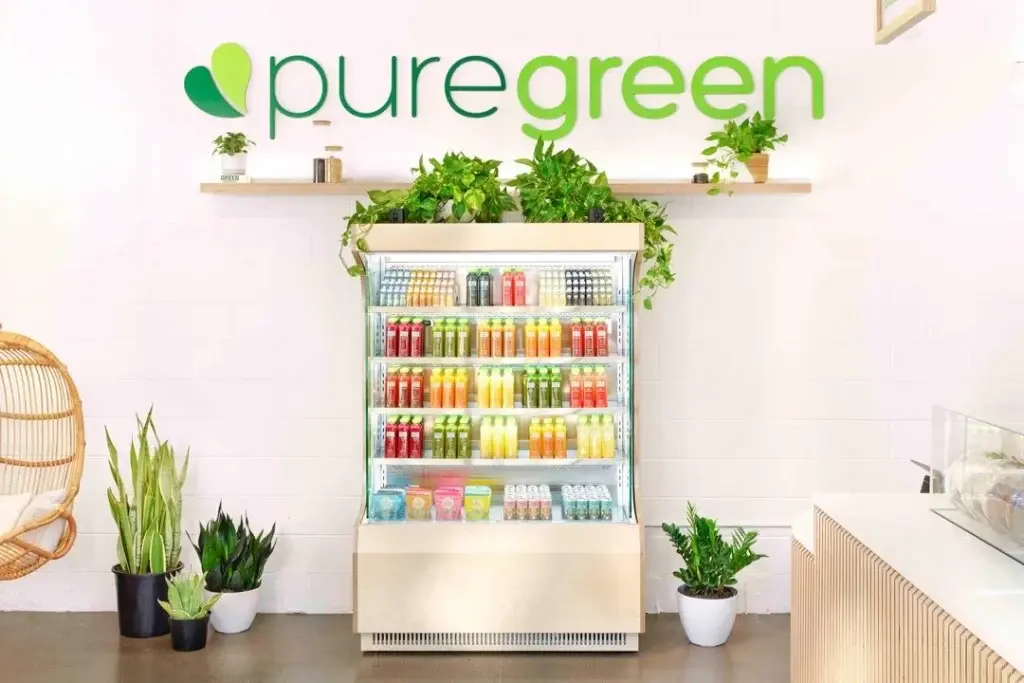
- Refrigeration: walk-in or reach-in coolers, under-counter units at the prep line and a display cooler for bottled juice.
- Ice and water: an ice machine and water filtration.
- Prep and sanitation: stainless prep tables, a produce washing sink, hand sinks and a three-compartment sink, as your health department requires.
- Smallwares and packaging: knives, cutting boards, scales, storage containers, cups, lids, bottles and labels.
- Point of sale and online ordering: a POS system that also handles loyalty and delivery orders.
Build-out: architect, permits, contractor, plumbing, electrical, finishes and signage.
Get several contractor bids and add a contingency to your construction budget. Build-outs almost always uncover something unexpected.
7. Write Your Juice Bar Business Plan
A business plan forces you to test your idea on paper, and lenders and landlords will ask for one. Include:
- Executive summary: your concept, location and goals. Write it last, place it first.
- Concept and menu: what you sell, your format and what sets you apart.
- Market and competitors: who your customers are and which juice bars, cafés and smoothie shops already serve them.
- Marketing plan: how you will attract customers before and after opening.
- Management and staffing: who runs the store and how many employees you need.
- Financial projections: startup costs, monthly operating costs, a sales forecast and a break-even analysis.
If you join a franchise, use the FDD’s estimated initial investment as the starting point for your startup budget and build your local costs, such as rent and wages, around it.
8. Secure Funding
With your business plan and budget in hand, you can line up financing. Common options include:
- SBA-backed loans: the SBA 7(a) and 504 programs are widely used to fund restaurants and franchises. For franchises, lenders use the SBA Franchise Directory when evaluating eligibility, so ask your franchisor and lender about the brand’s status.
- Conventional bank loans: usually require strong credit, collateral and liquid capital.
- Equipment financing: spreads the cost of juicers and refrigeration over time.
- Personal savings and partners: most lenders expect you to put in some of your own money.
Budget a reserve for the first months of operation, while sales ramp up. Many owners pad their expense estimates by 10–15% to absorb price increases and surprises. To qualify for a Pure Green franchise, owners need at least $100,000 in liquid capital and a net worth of at least $300,000.
9. Hire, Train and Open
Hire before you think you need to, and train your team on recipes, food safety, customer service and your POS system before the doors open.
- Staff for your busy hours. Running with too few people leads to long waits, mistakes and burnout.
- Hold a soft opening for friends, family and neighbors to test your recipes, workflow and timing.
- Launch with local marketing: social media, partnerships with nearby gyms and studios, and an opening promotion to drive first visits.

10 Mistakes to Avoid When Opening a Juice Bar
- Choosing a location on foot traffic alone. Check whether the traffic matches your hours, days and customer.
- Skipping conversations with current owners. Experienced juice bar owners and franchisees can tell you what the plan will not.
- Underestimating costs. Equipment, produce price swings, repairs and slow early months add up. Build in a buffer.
- Running with a skeleton crew. Long waits drive away the repeat customers a juice bar depends on.
- Ignoring the support you are paying for. If you join a franchise, use every training, marketing and operations resource.
- Treating marketing as optional. Great juice will not sell if nobody knows you are open.
- Expecting instant profits. Building a loyal customer base takes time. Plan for a ramp-up period.
- Poor inventory management. Over-ordering wastes produce. Under-ordering disappoints customers.
- Letting standards slip. Inconsistent quality or service erodes trust quickly.
- Expanding too early, or too late. Open a second location once the first runs smoothly without you, and not before.

Opening a Juice Bar as a Pure Green Franchisee
If you want to open a juice bar without building every system from scratch, a Pure Green franchise covers many of the steps above with you:
- Site selection and real estate: target site selection, lease negotiation and coordination with the architect and general contractor
- Equipment and vendors: equipment selection and supplier setup
- Menu: a complete, tested menu of cold-pressed juice, superfood smoothies and acai bowls
- Training: operations, food safety and point-of-sale training for you and your team
- Marketing: grand opening support and ongoing campaigns, including automated offers that bring lapsed customers back
The total initial investment is $177,450–$493,900, with a $40,000 franchise fee. Learn more about how Pure Green supports franchise owners, or check availability in your area.
Frequently Asked Questions
How much does it cost to open a juice bar?
It depends on the size of the space, the location, the build-out and whether you join a franchise. For a Pure Green franchise, the estimated total initial investment is $177,450–$493,900. An independent juice bar’s cost varies widely, so price your space, equipment and build-out before you commit.
Do you need a license to open a juice bar?
Yes. You will typically need a business license, a food service or health permit from your local health department, a sales tax permit and a certificate of occupancy, plus food handler or manager certification. Requirements vary by location, so start with your health department.
Is a juice bar a profitable business?
It can be, but profit depends on your location, rent, menu pricing, labor and how well you control waste. If you are considering a franchise, review the franchisor’s FDD and talk to current franchisees about their experience before you invest.
What equipment do you need to start a juice bar?
At minimum: juicers or a commercial cold press, commercial blenders, refrigeration, an ice machine, prep and sanitation sinks, smallwares and a POS system. See the full checklist in step 6.
How do you start a smoothie business?
The steps are the same as for a juice bar. The main differences are equipment, with more blenders and freezer space for frozen fruit and acai, and the menu. Many shops, including Pure Green, sell juice, smoothies and bowls together.
Can you open a juice bar with no money?
A storefront juice bar takes significant capital, and lenders, including SBA lenders, generally expect owners to put in some of their own money. With limited funds, consider starting smaller with a cart, kiosk or market stand, bringing in a partner or investor, or financing equipment.
How much space do you need for a juice bar?
A grab-and-go juice bar can run in a small storefront or kiosk. A Pure Green store typically needs 500–1,500 sq ft.
Can you sell raw cold-pressed juice wholesale?
Selling juice directly to your own customers and producing bottled juice for other retailers are regulated differently. Ask your health department which federal and state rules apply before you plan a wholesale line.
How long does it take to open a juice bar?
It depends mostly on finding the right location, getting permits and completing construction. Plan for several months from signing a lease to opening day.
Sources
- U.S. Food and Drug Administration. FDA Food Code. https://www.fda.gov/food/retail-food-protection/fda-food-code
- Federal Trade Commission. Disclosure Requirements and Prohibitions Concerning Franchising, 16 CFR § 436.2. https://www.law.cornell.edu/cfr/text/16/436.2
- U.S. Small Business Administration. SBA Franchise Directory. https://www.sba.gov/document/support-sba-franchise-directory
This guide is for general information and is not legal, financial or tax advice. Franchise offers are made only by Franchise Disclosure Document.
Own a Pure Green
Learn about owning a Pure Green franchise
Tell us where you'd like to open and our franchise team will follow up with territory availability and next steps.
- Total investment $177,450–$493,900
- Liquid capital from $100,000, net worth from $300,000
- 500–1,500 sq ft footprint
Keep reading