Here’s the reality: New York City’s health and wellness market is projected to grow 8%+ annually, with juice bars and smoothie concepts leading the charge. If you’re evaluating a franchise opportunity New York entrepreneurs trust, you need a model engineered for high foot traffic, compact spaces, and premium consumer expectations—without the overhead that sinks most operators.
Let’s dive in and map your path from interest to open.
1) Why NYC Is Your Health and Wellness Investment Advantage
You live where wellness is a daily habit. Morning commuters grab green juice. Post-work athletes order açaí bowls. Weekenders explore new clean-label cafes. That’s not hype—it’s your demand signal.
What makes New York business opportunities uniquely strong for a juice bar franchise?
- Density equals dependable foot traffic across neighborhoods
- Premium-price tolerance for quality, science-backed nutrition
- Fast-paced lifestyles favor quick, healthy grab-and-go
- Diverse micro-markets in every borough
- Year-round sales with minimal seasonality

Now that you see the market fit, let’s talk about an operating model that thrives in NYC, not just survives.
2) An NYC-Ready Model: Small Footprint, Big Throughput
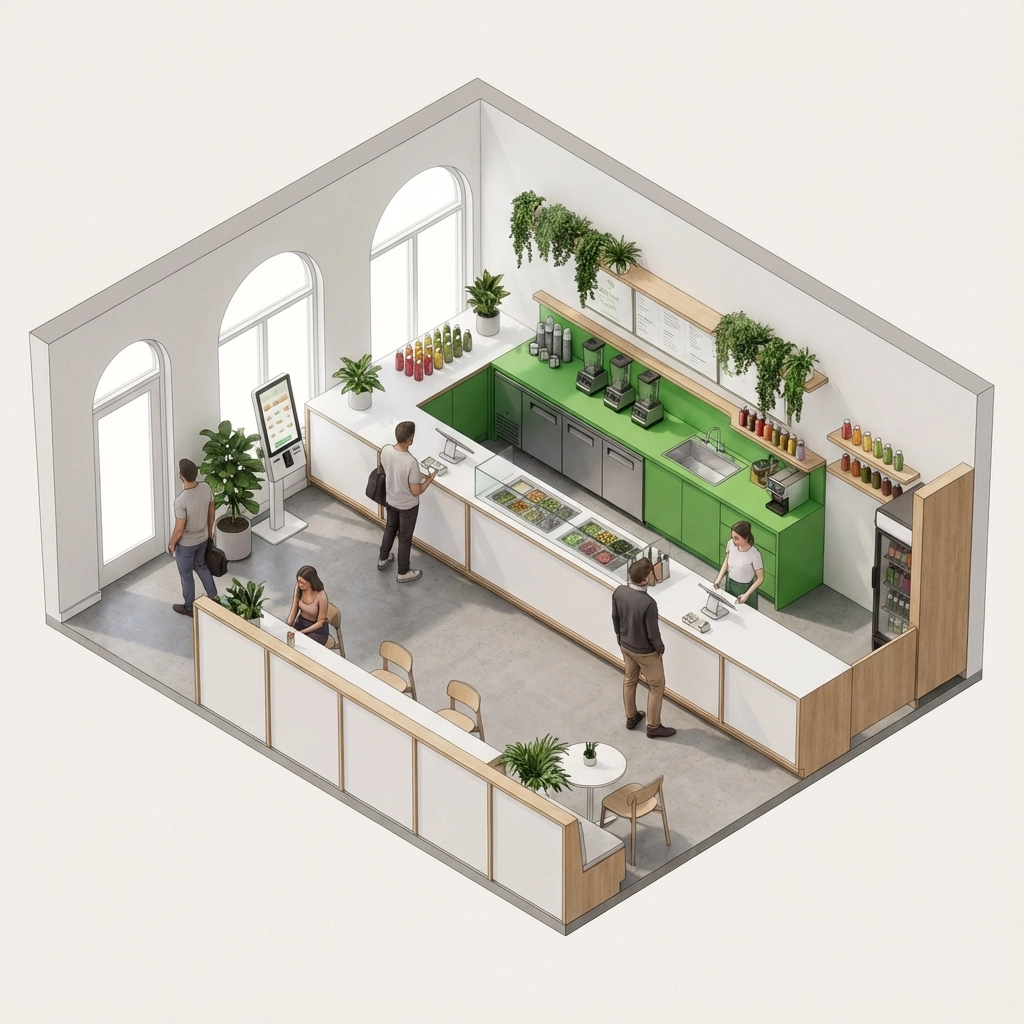
You don’t need a full kitchen or a massive buildout to win here. Pure Green is purpose-built for New York.
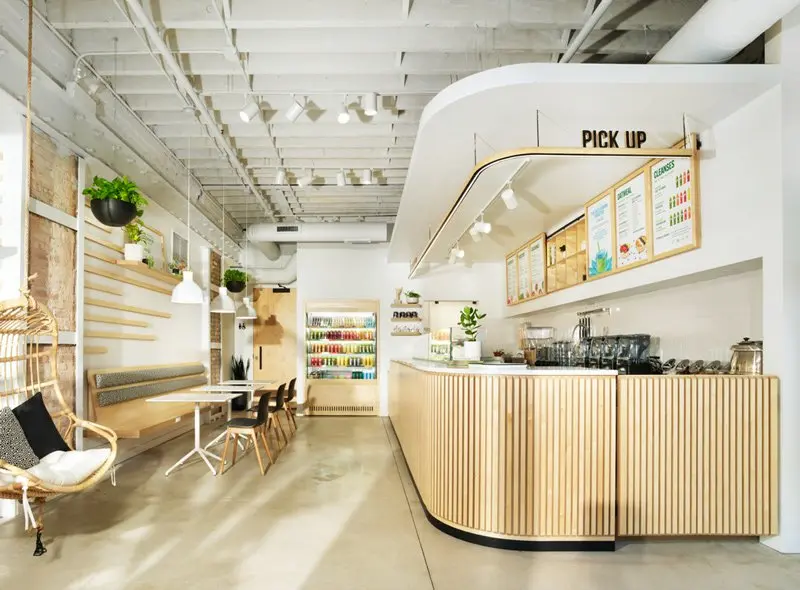
The 500–1,000 Sq Ft Advantage
- Lower rents and faster approvals
- Easier to secure prime corners, transit hubs, and fitness corridors
- Streamlined layouts for speed of service
No Venting. Fewer Constraints.
- Open in office towers, inline retail, mall kiosks, and ground-floor mixed-use
- Avoid expensive mechanical systems that slow you down
Isn’t that exactly the kind of flexibility you want in New York real estate? Next, let’s remove the back-of-house headaches.
3) The Supply Chain Edge: Consistency Without Compromise
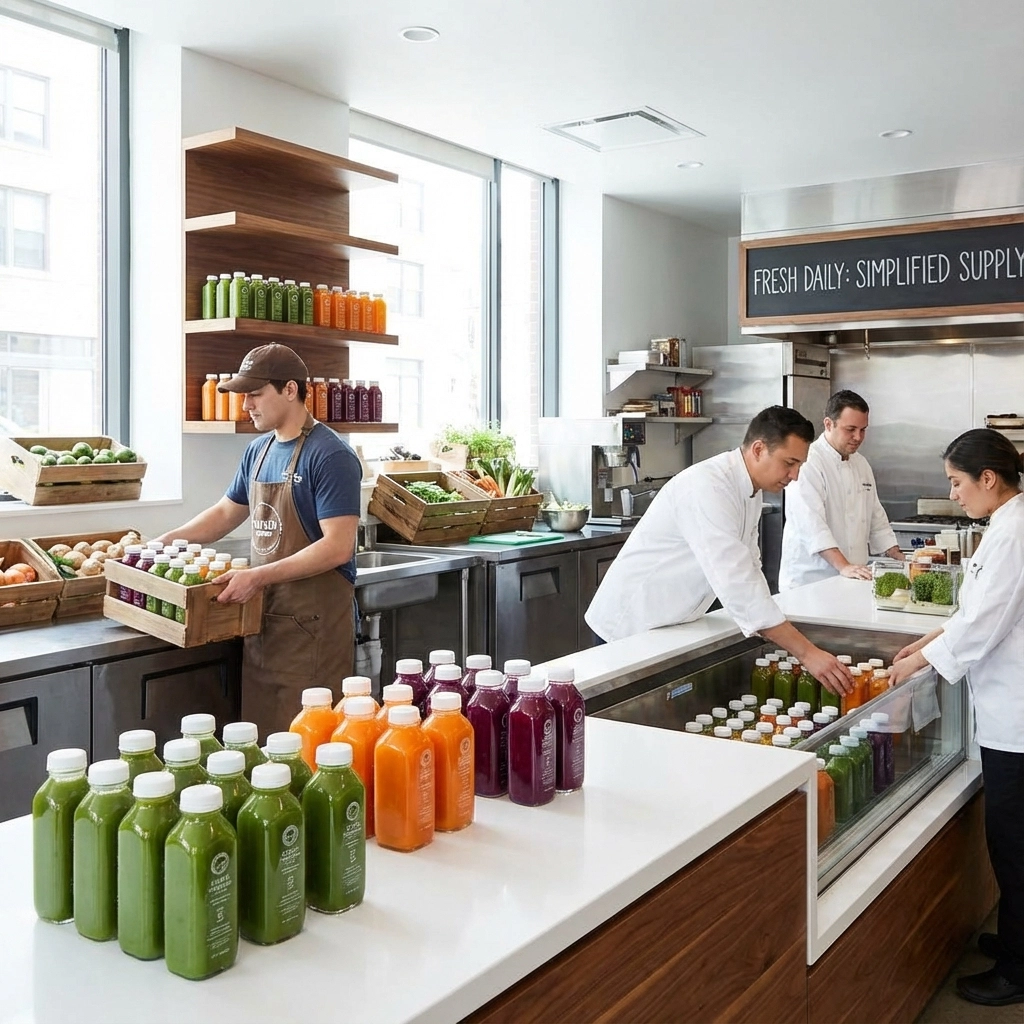
What if you eliminated in-store juicing altogether? With Pure Green, your cold-pressed juices arrive pre-bottled from our wholesale division—consistent, fresh, and ready.
Operational wins you’ll feel on day one:
- No juicing equipment to buy, maintain, or staff
- Faster lines and better guest experience during rushes
- Predictable quality across every SKU
- Less waste and tighter inventory control
Now that labor and equipment are simplified, you can focus on the menu New Yorkers actually buy.
4) A Menu Built for NYC Demand
You’ll serve what the market already wants—clean, functional, and social-friendly.
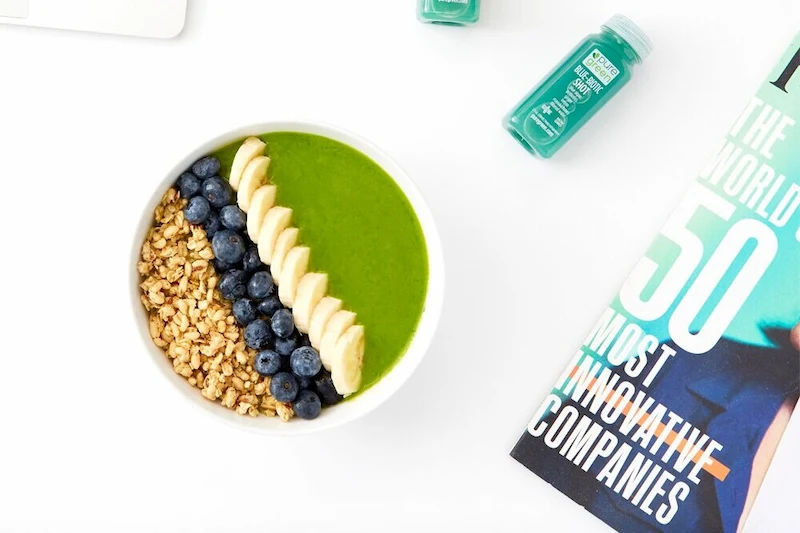
- Superfood Smoothies: Nutrient-dense blends that work as meals or performance boosters
- Açaí and Pitaya Bowls: Customizable, craveable, and highly Instagrammable
- Cold-Pressed Juices: Clean-label performance with options tied to immunity, recovery, and focus
- Wellness Shots: High-impact, quick-serve nutrition for people on the move
Want proof your menu resonates? Explore these resources:
- Cold-pressed science: cold pressed juice benefits
- Açaí use-cases: smoothie bowl benefits
- Safety and quality: unpasteurized juice
Next, let’s ground the opportunity in investment clarity.
5) Investment Snapshot (Item 7 Reference)
Your total investment typically ranges from $177,450 to $493,900. What drives the range?
- Site condition and square footage
- Landlord TI and lease economics
- Build-out timeline and permitting
- Opening inventory, staffing, and marketing
- Working capital for early operations
No venting. No in-store juicing equipment. No complex BOH. That’s how you keep CAPEX sane and opening timelines realistic.
Now that you have the numbers, where should you open?
6) Location Strategy: Your NYC Site Playbook
You’re looking for daily ritual traffic, not just “nice-to-have” footfall.
- Fitness Proximity: Gyms, boutique studios, yoga, CrossFit
- Transit + Office: Subway hubs, ground-floor towers, corporate corridors
- Affluent Residential: High-density neighborhoods with wellness habits
- Education Hubs: Universities and private schools with active communities
Transitioning from one unit to multiple? Here’s your path.
7) Multi-Unit Franchise Expansion: Build a Cluster, Not Orphans
Want to scale? NYC rewards tight territory strategy.
- Start with one flagship in a high-visibility corridor
- Add a second within 1–3 miles to share labor and marketing
- Leverage centralized deliveries and unified ops
- Build local partnerships (fitness studios, corporate wellness, events)
Ask yourself: Which two neighborhoods would give you shared labor pools and overlapping marketing reach? Next, let’s preempt the doubts.
8) Objections, Answered
- “Is the category too crowded?” You’ll differentiate with clean-label, science-backed blends and pre-bottled cold-pressed SKUs that speed service.
- “What about labor?” Fewer BOH tasks = faster training and better staffing flexibility.
- “How do I validate?” Walk current NYC units, study dayparts, and review the FDD with your advisor.
- “Can I manage while working full-time?” Many owners build strong shift leads and use simple dashboards for daily KPIs.
9) Due Diligence Resources You Should Bookmark
- Standards and education: International Franchise Association
- Competitive benchmarking: Entrepreneur Franchise 500
- Industry trends and deal flow: Franchise Times
Now that your research stack is in place, let’s talk about next steps.
10) Your Next Steps
- Visit: Tour NYC Pure Green units during peak hours and observe throughput
- Model: Align capital plan and working capital for 6–12 months
- Map: Shortlist 3–5 sites based on transit, fitness, density, and visibility
- Connect: Speak with franchise development and current owners
- Review: Have a franchise attorney and CPA analyze the FDD
The next step is simple: start the conversation and get your territory plan on paper.
Ready to explore a franchise opportunity New York consumers already recognize? Visit the Pure Green Franchise site and connect with our team.