
01 / The story
A simple request became a bigger story
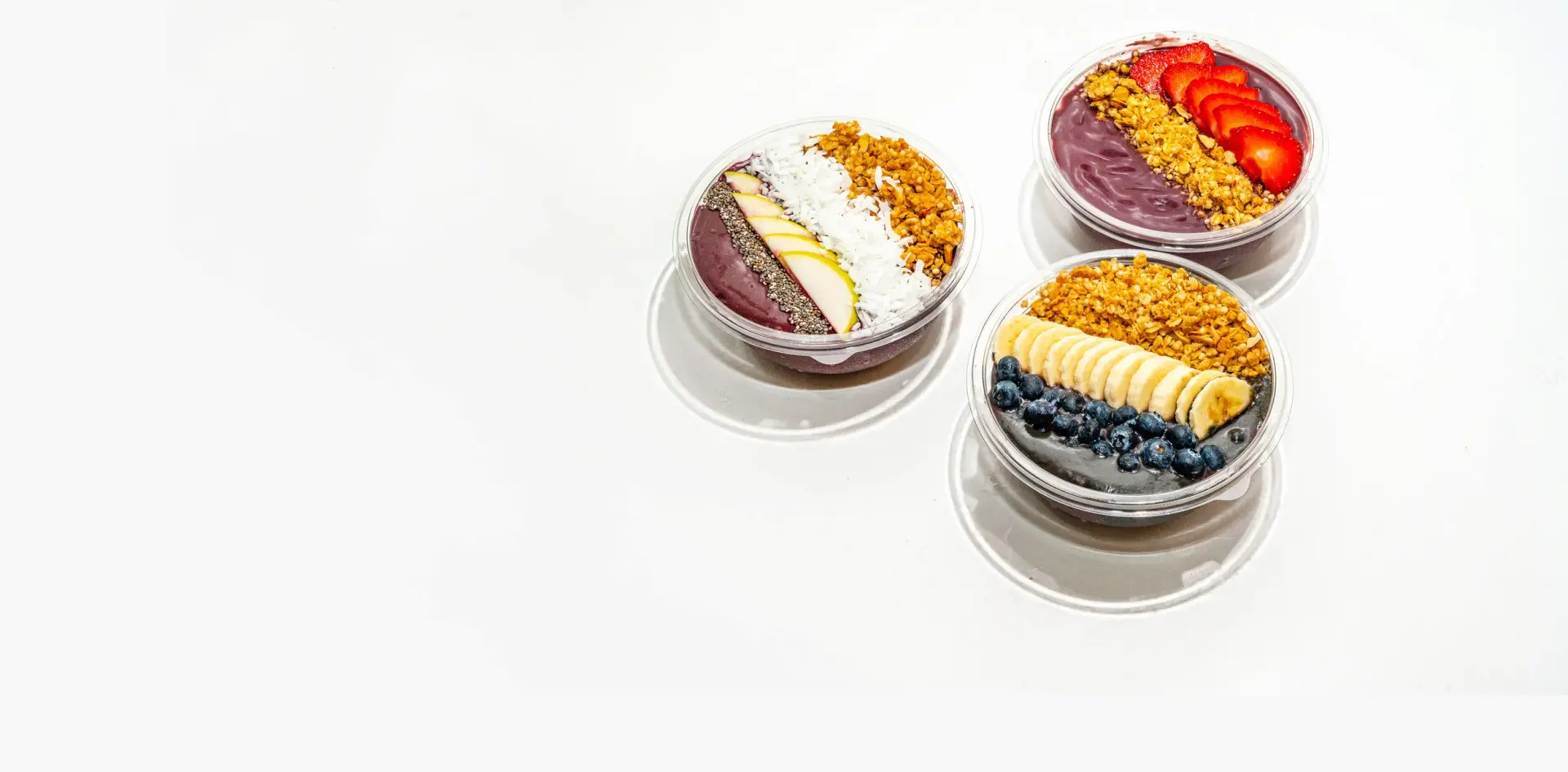
In November 2024, Josh Liljenquist, a Minnesota-based social media celebrity known online as Joshlilj, shared a visit to Pure Green. The request at the counter was straightforward: twenty bowls intended for people in need. The public video describes a founder-led offer to cover the order. What started as an ordinary food purchase became a visible example of how a business can respond when a customer brings a community need through the door.
The most important part of the encounter was not the camera. It was the food and a decision by the business to participate. The video made the moment available to audiences beyond the location, but the act itself was immediate and practical. It reflected a simple truth: a company’s mission means more when people can see how it informs a real decision.
The November 28, 2024 YouTube Short, published by Josh, shows Pure Green and the twenty-bowl request. In the video, Ross Franklin introduces himself as the company’s founder and offers to pay for the bowls. The precise location, final transaction details, and whether every bowl reached a separate recipient are not established by the video and are not asserted here.
A company’s mission means more when people can see how it informs a real decision.
02 / The story
Why Pure Green was the right kind of business for the moment
Pure Green was founded in New York City in 2014 by Ross Franklin. From the beginning, its stated mission has been to build healthier communities by connecting people with superfoods. The company has grown beyond its original stores into a franchise and wholesale business, with smoothies, açaí and pitaya bowls, and cold-pressed juice at the center of its offering.
That makes the twenty-bowl moment meaningful for more than its novelty. A business built around food and community was asked to help make food accessible to people who might not otherwise be shopping in the store. The offer described in the video brought the brand’s founding language into a recognizable situation: someone saw a need; the business had a relevant resource; the two met in a practical way.
A bowl cannot solve food insecurity, and a short social video is not a measure of sustained assistance. But that limitation does not erase the value of a specific act. It is possible to recognize a gesture without inflating it into a larger promise.
03 / The story
The people behind the collaboration
Ross Franklin founded Pure Green after working in fitness and wellness and developing a conviction that convenient access to nutritious food mattered. His public company story emphasizes both product quality and the community connections made by individual stores. The video’s account of the founder offering to cover the order is consistent with that stated philosophy.
“When Josh asked for twenty bowls to feed people in need, the decision was easy. It’s exactly in line with our mission of building healthier communities, so I told him I’d pay for the bowls, and I bought the roughly 100 juices in our fridge as well. What stayed with me was how quickly it came together: a customer walked in with a real need, our team rang it up, and food we make every day was on its way to people who could use it. We didn’t need a program or a campaign to do that. We just needed to say yes.”
 Ross Franklin
Founder & CEO of Pure Green Franchise
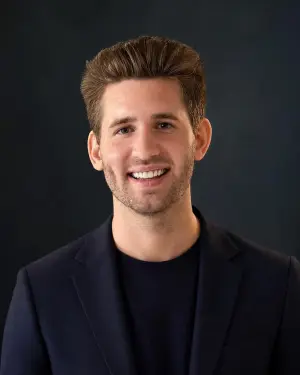 Josh Liljenquist, also known as Joshlilj, grew up in
Fairmont, Minnesota, and studied at Minnesota State University, Mankato. His social media work often documents
conversations with people facing difficult circumstances and moments when a restaurant, local business, or another
person can offer tangible help.
The collaboration combined different strengths. Josh brought the storytelling and the request for food. Pure Green brought the ability to respond through its product and people. The event did not require an ongoing sponsorship or a newly created charitable program to be meaningful.
Pure Green
Food, products, local teams, and the founder-led response described in the video
Josh Liljenquist
Community-storytelling, the request for food, and publication of the original encounter
04 / The story
What the public record actually measures
The public YouTube version of the video shows roughly 388,000 views and 34,000 likes as of November 2026, along with comments. Those are engagement signals—not unique viewers, customers acquired, or proof of sales. This story does not attribute views from unrelated bowl-distribution videos to Pure Green.
The documented figure for this project is the twenty-bowl order shown in the video. That figure is the size of the food request, not a count of verified unique recipients. No additional donation valuation, revenue lift, or individual recipient outcome is claimed.
The larger benefit of preserving the project in an evergreen article is context: a person encountering the video can now learn who Pure Green is, why the business chose to participate, and where to find accurate information about its products and community programs.